The questions that come after cost and permits
Room Addition Questions from San Diego Homeowners
Costs, permits and timelines each have their own guide. This page collects the questions people ask once they are serious: taxes, whether to move instead, how to read bids that don't agree, who designs it, what the HOA and neighbors can do, and what a warranty really covers.
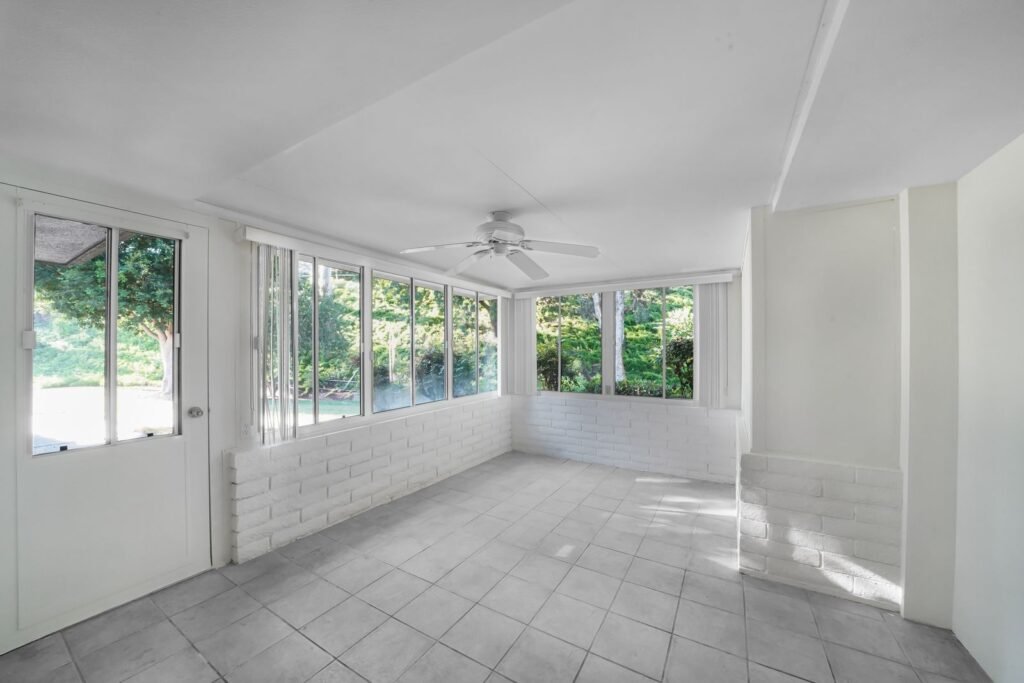 Finished room, not yet furnished
Short answer
Under Prop 13, an addition adds only the value of the new construction to your assessed value, while the rest of the house keeps its existing base. That is a big reason many San Diego owners add on instead of moving. Bids for the same addition can differ by 2x, mostly because they include different things, so the fix is to compare bids against the same permitted plans. Before you sign, check the contractor's license on the CSLB website and get the payment schedule and any warranty in writing.
For the money side, use the room addition cost calculator. For rules, read the permit guide, and for the order of events, the process and timeline.
In pictures
From drawings to a finished room
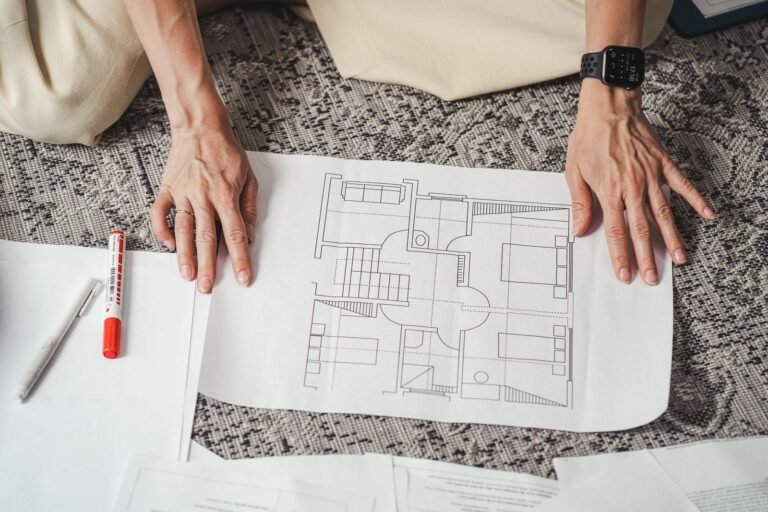

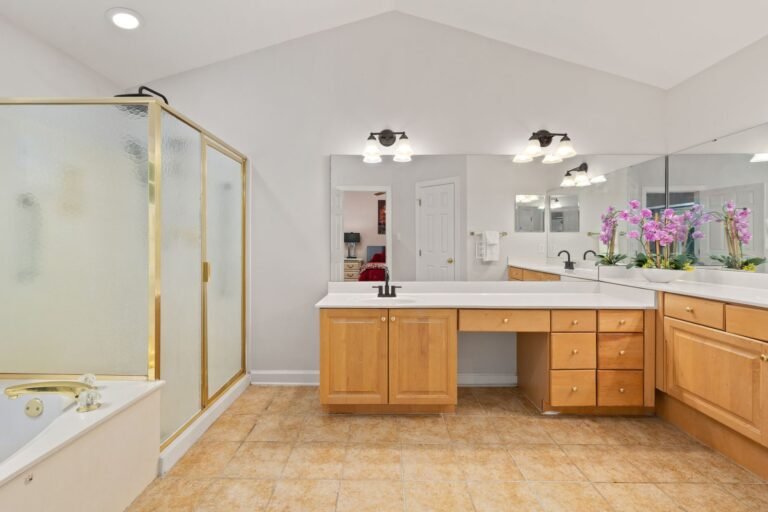
These are licensed stock photos (Pexels) chosen to show the kind of space or place described. They are not photographs of our contractor's completed projects.
Deciding whether to add on
Is it better to add on or sell and buy a bigger house?
It depends on how much you like where you live and how long you plan to stay. Moving means agent commissions, moving and staging costs, and a new property tax base at today's price. Adding on keeps your current tax base on the existing house and, if you have one, your current mortgage. The trade-off is time and disruption: homeowners who have done it describe additions taking 6 to 12 months or more, and a second story can mean moving out while the roof is off. If you love the neighborhood and plan to stay for years, adding on is more likely to make sense.
Should I build an ADU instead of an addition?
They solve different problems. An addition makes your own house bigger: more bedrooms, a primary suite, a bigger living area, all on one deed and one utility system. An ADU is a separate dwelling with its own kitchen, which can house a parent or produce rent, and it follows its own set of state and City rules. If you want rental income or separate living for family, an ADU or a garage conversion may fit better. Our sister site, San Diego Garage Conversion, covers that path.
Will an addition pay for itself when I sell?
Usually not in full. The Cost vs. Value 2025 report for the Pacific region estimated that a midrange primary suite addition, at a job cost of $185,431, recouped about 32% at resale, and a midrange bathroom addition about 57%. Those are regional averages, not San Diego appraisals. Build for how you will use the house, and treat resale value as a partial return.
My city isn't San Diego. Do these pages apply?
Only partly. This site covers the City of San Diego. Chula Vista, Carlsbad, Encinitas, Oceanside and the other cities, plus the unincorporated County, each run their own building department, fees and zoning. Construction costs are similar across the region, but permit rules and fees are not.
Money, taxes and financing
Will my property taxes be reassessed if I add a room?
Not the whole house. Under Prop 13, the County Assessor adds the value of the new construction to your assessed value, and the existing house keeps its current base. The Assessor sets that value, not the contractor or the City, so ask a tax advisor for an estimate before you build.
How do people usually pay for an addition?
The common options are cash, a home equity line of credit, a cash-out refinance, or a renovation or construction loan, some of which lend against the home's expected value after the work is done. Which one fits depends on your current mortgage rate, your equity and how payments are scheduled during construction. Talk to a lender early, because the loan type can affect when the contractor gets paid and how inspections are tied to draws.
What surprise costs show up once walls are opened?
In older San Diego houses the usual ones are an electrical service upgrade, code upgrades to existing wiring or framing that the new work touches, and foundation repairs. A San Diego homeowner who documented an addition in 2002 ended up needing a 200-amp service upgrade, and a single baseboard heater triggered a Title 24 energy report that held up the permit for weeks. Most sources recommend a 10–20% contingency for this reason.
Do I need solar panels on a new addition?
No. Under the 2025 California Energy Code, in effect since January 1, 2026, solar PV is not required for additions. The code does cap window area by addition size, and if the addition gets a new water heater it generally has to be a heat pump unit or, for additions of 500 sq ft or less, point-of-use electric. Your energy consultant confirms the details for your design.
Bids, contracts and who designs it
Why are my bids for the same addition twice as far apart?
It is common. One homeowner who collected five bids for a 1,200 sq ft second story found the highest was about double the lowest, and the difference came mostly from what each bid included. Low bids often leave out the foundation work, utility upgrades, windows or allowances that are unrealistically small. The most reliable comparison happens after plans are drawn and approved, because then every contractor is pricing the same thing. Line up the bids by scope: demolition, foundation, framing, roofing, windows, electrical service, plumbing, HVAC, insulation and Title 24 items, finishes and allowances, permits and fees, and cleanup.
How much can a contractor ask for up front?
For home improvement contracts in California, the down payment is limited to $1,000 or 10% of the contract price, whichever is less. After that, payments should follow the work as it is completed, often tied to City inspections such as foundation, framing, rough-ins and final. A contractor asking for a large deposit before work starts is a warning sign. The Contractors State License Board website explains the rules and lets you check a license.
Should I hire an architect first or use a design-build firm?
Both work. With an architect first, you own the plans and can bid them to several builders, which makes comparison easy, but the design may come in over budget because nobody pricing the job was in the room. National sources put architect fees for additions and remodels at roughly 12–20% of construction cost. With design-build, one firm designs and builds, so pricing feedback happens during design, but you compare fewer options. Some San Diego design-build firms charge for a design phase before construction pricing is final. Either way, get the design fee and what it includes in writing.
Do I need a structural engineer?
For a second story, yes. A second floor is outside the City's one-story addition bulletin (IB 140) and goes through full plan check with structural design, because the first-floor walls, beams and footings have to carry new loads. A ground-floor addition still needs connection details and a foundation plan, and some need engineering for beams or wide openings. Lots with fill or expansive soil also need a geotechnical report.
HOAs, neighbors and the City
Can my HOA block an addition the City would approve?
It can limit it. CC&Rs are a private agreement separate from the City permit, and a City approval doesn't override them. Read your CC&Rs for height, view, setback and architectural review rules, and submit to the architectural committee while the City is reviewing, so one doesn't hold up the other.
Will my neighbors be notified?
Often, yes. If any structure on your lot is 45 or more years old, the City's over-45 historic review posts the application and gives the public 5 business days to comment. Coastal Development Permits and work in designated historic districts involve their own notice and review. A standard addition that meets the zoning code isn't put to a neighbor vote, but talking to the neighbors before the crew arrives still helps.
Can the City guarantee my plans will be approved?
No. Plan check often comes back with corrections, and each round adds time. The City publishes current review-time estimates every week on its permit timeline page and dashboard, which is the best source for where things stand. Anyone who promises a specific approval date is guessing.
Warranties, insurance and protection
What warranty comes with a room addition?
It depends on the contract, so read it before you sign. A clear warranty states what is covered (workmanship, materials or both), for how long, how you report a problem and how fast someone responds. Windows, roofing and equipment usually carry their own manufacturer warranties, which should be registered in your name. This site doesn't promise a warranty on anyone's behalf. Ask the contractor for theirs in writing.
What if the project runs over schedule?
Schedules slip, and you should plan for it. One San Diego design-build firm's published case study shows a design agreement in July 2021 and construction from October 2023 to May 2024, roughly three years from start to finish with seven months of building. Ask how the contract handles delays the contractor controls versus City review time nobody controls.
What insurance should the contractor carry?
Ask for proof of general liability insurance and, if they have employees, workers' compensation, and check the license and bond status on the CSLB website. Then call your own homeowner's insurer before work starts, because the house's square footage, value and risk are about to change.
Who actually does the work if I send a request here?
Requests through this site go to a licensed San Diego general contractor who handles design coordination, City plan check and construction. Ask for the license number and verify it on the CSLB website before signing anything, as you should with any contractor.
Still deciding what to build?
Start with build up or build out, then compare a second story, a single-story addition and a primary suite. Neighborhood rules are on the areas page.
Sources
- Block Renovation, San Diego home additions (Prop 13, contingency)
- Berkeley Parents Network, Moving vs. adding a second story
- Cost vs. Value 2025, Pacific region
- Houzz discussion, Second-story estimates and bid spread
- A San Diego homeowner's addition diary
- 2025 Energy Code §150.2, additions and alterations
- HomeAdvisor, Architect fees (national)
- IB 140, Residential Addition/Remodel
- City of San Diego, Over 45 review
- City of San Diego, Permit review timelines
- Lars Remodeling, Second-story case study timeline
- Contractors State License Board, license lookup and consumer rules
Last checked November 7, 2026. General information, not legal, tax or financial advice.
Next step
Get your free Build-Up-or-Out Plan
Three short steps, about a minute. A licensed San Diego general contractor reviews what you send, checks your lot against the zoning, height and coastal rules that apply to it, and replies with a realistic range and the questions that would change it.
- How much your lot allows: floor area, setbacks and height
- Whether building up or out fits your house and budget
- A line-by-line range before any drawings are paid for
- No obligation and no pressure follow-up