Loma Portal · Point Loma Heights · Sunset Cliffs · La Playa · Fleetridge
Second-Story Additions in Point Loma
The whole peninsula sits west of I-5, so every addition here starts with the voter-approved 30 ft coastal height limit. Then come the questions that set the schedule: is the lot in the Coastal Zone, how close is the bluff, and does the airport overlay apply?
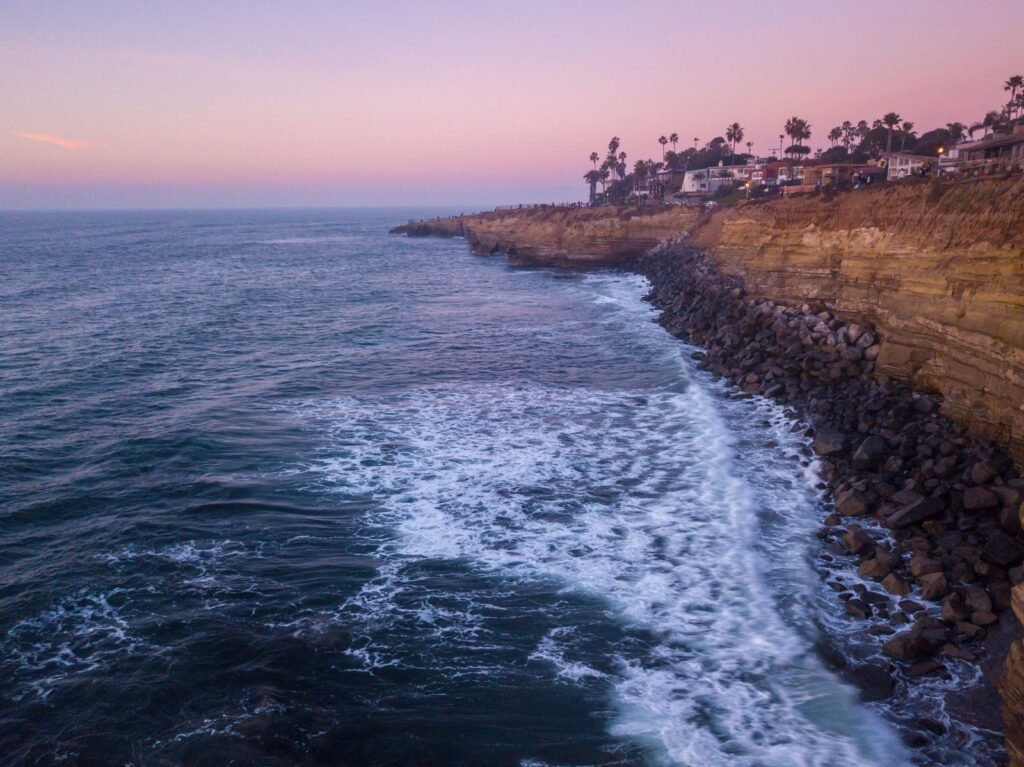 Sunset Cliffs, Point Loma
Short answer
Point Loma is entirely inside the Prop D Coastal Height Limit, so no addition can push a building over 30 ft. About 60% of the community is also in the Coastal Zone, where an addition loses its exemption from a Coastal Development Permit if it is within 50 ft of a coastal bluff edge, demolishes half or more of the exterior walls, or (on lots between the sea and the first public road, or within 300 ft of a beach) adds 10% or more floor area or raises height by more than 10%. Many parcels also sit in the San Diego International Airport influence area, which requires an avigation easement.
One peninsula, many neighborhoods
The Peninsula Community Plan, adopted May 6, 1997, lists Ocean Beach Highlands, Point Loma Highlands, Loma Alta, Loma Palisades, Loma Portal, Fleetridge, Roseville, Sunset Cliffs, the Wooded Area, La Playa and Liberty Station. Roseville is the oldest settled part. Loma Portal, between Rosecrans and Chatsworth north of Nimitz, sits under the airport's takeoff path. Sunset Cliffs runs along the ocean bluffs. La Playa holds some of the most expensive homes in the city, a few with private piers, and Old La Playa is California Historical Landmark #61, also designated by the City's Historical Resources Board in 1970.
Those differences matter more than the name on the map. An addition in Loma Portal is mostly an airport and height question. One on Sunset Cliffs Boulevard is a bluff and coastal permit question. The Peninsula Community Planning Board is the community's advisory group, and it weighs in on projects that need a discretionary permit, like the example below.
Prop D: the 30 ft rule
Prop D passed in 1972. It is now SDMC §132.0505, and the text is short: no building or addition to a building in the Coastal Zone may be constructed above thirty feet. Height is measured under the 1970 Uniform Building Code.
The measuring method is not academic in Point Loma. A 2013 Development Services bulletin on how to measure height led to a 2014–2016 dispute over Point Loma homes that came out over 30 ft, with work stopped on projects at Emerson and Evergreen streets. The lesson for an addition: get the height modeled from surveyed grades at the design stage, before the framing goes up.
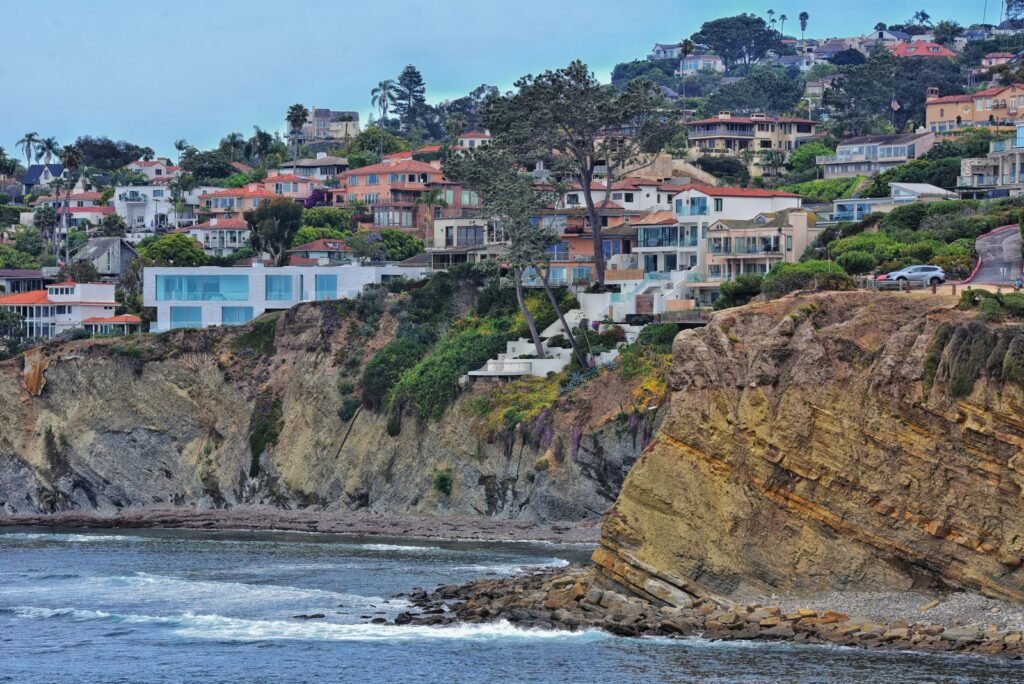
When a Coastal Development Permit is required
Improvements to an existing house are generally exempt from a Coastal Development Permit under SDMC §126.0704. The exemption is lost in a few situations that come up often on the peninsula:
- Within 50 ft of a coastal bluff edge, or on a beach, wetland or other listed resource. This is the Sunset Cliffs case.
- An increase of 10% or more in interior floor area, or a height increase over 10%, where the house is between the sea and the first public road that parallels it, or within 300 ft of the inland edge of a beach.
- Demolishing 50% or more of the exterior walls. A second story that ends up stripping most of the original walls can cross this line.
How much time does a full permit add? A 2018 10News story from Bird Rock, in La Jolla rather than Point Loma, quoted a full Coastal Development Permit as adding about a year and roughly $100,000. The developer there kept half the walls and added under 10% to stay exempt, and the neighbors objected. Treat that as one reported example, not a price list. The point stands, though: where your design lands relative to those thresholds can change the schedule more than any construction choice.
A real Point Loma permit file
A 2025 Hearing Officer report for 741 Sunset Cliffs Boulevard shows how many layers one lot can carry. The parcel is zoned RS-1-7 on about a quarter acre, with a maximum floor area ratio of 0.54. Its overlays were the Coastal Overlay (appealable area), the Coastal Height Limit, the Parking Impact Overlay for beach and coastal areas, the Airport Land Use Compatibility Overlay, and Airport Influence Area Review Area 2 for both San Diego International and NAS North Island. The project needed a Process Three Coastal Development Permit, decided by a Hearing Officer, and the Peninsula Community Planning Board voted 13-0-0 to recommend approval. The house was shown at 2,339 sq ft and 23 ft tall.
What this means for your addition
Partial second stories fit the rules
A smaller upper floor over part of the house is easier to keep under 30 ft. Where the 10% floor-area trigger applies, though, 10% of a 2,000 sq ft house is only 200 sq ft, so most real second stories cross it. Plan for the permit there rather than designing around it. See second-story additions for full versus partial.
Keep the walls
Design to reuse existing exterior walls where possible. It saves money and keeps you clear of the 50% demolition trigger.
Airport paperwork
Parcels in the airport influence area must dedicate an avigation easement (SDMC §132.1530). The airport's land use plan is being updated, which shifts noise contours and height limits, so check the current map.
Noise near the runway
The Quieter Home Program received a $15.3M FAA grant in September 2026 to treat about 400 homes. It is separate from your permit, but if you live under the flight path, ask whether your house qualifies before you buy windows.
What it costs on the peninsula
A 500 sq ft partial second story comes to about $382k–$500k all-in on this site's planning numbers, which include design, City fees and contingency. Partial second stories run about $400, $525 and $700+ per sq ft for construction alone, more than a full second story per foot because the stair, beams and roof tie-in are spread over less area. A Coastal Development Permit, if your lot needs one, is extra time and cost on top. Try your own numbers in the cost calculator, or see whether building over the garage keeps the project smaller.
In pictures
Building on the coast
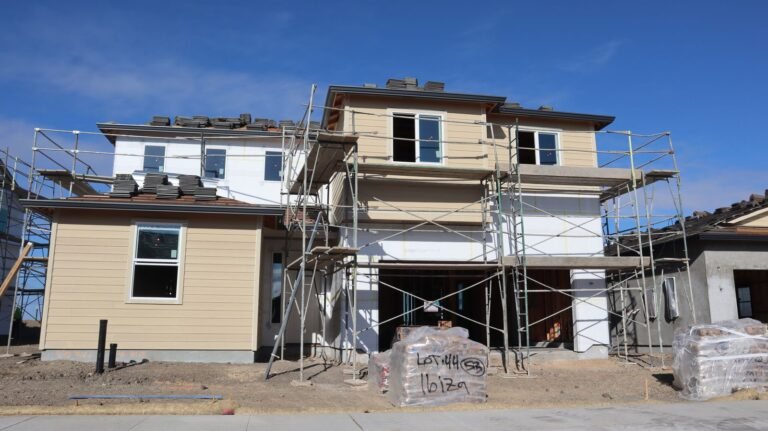
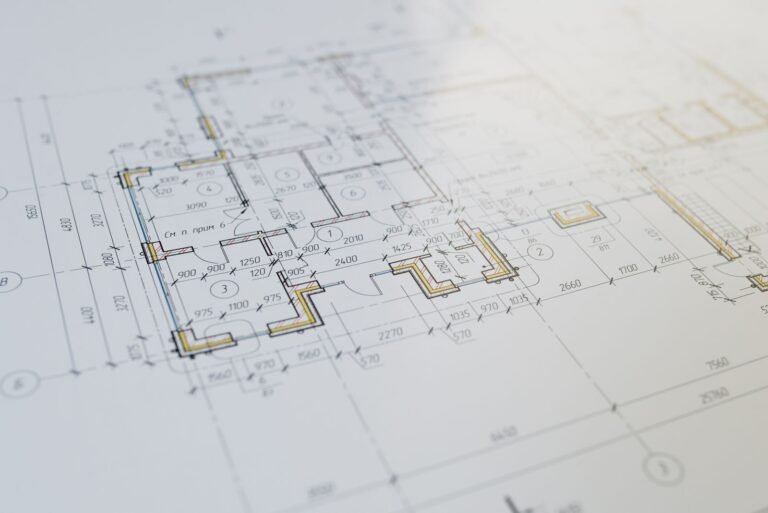
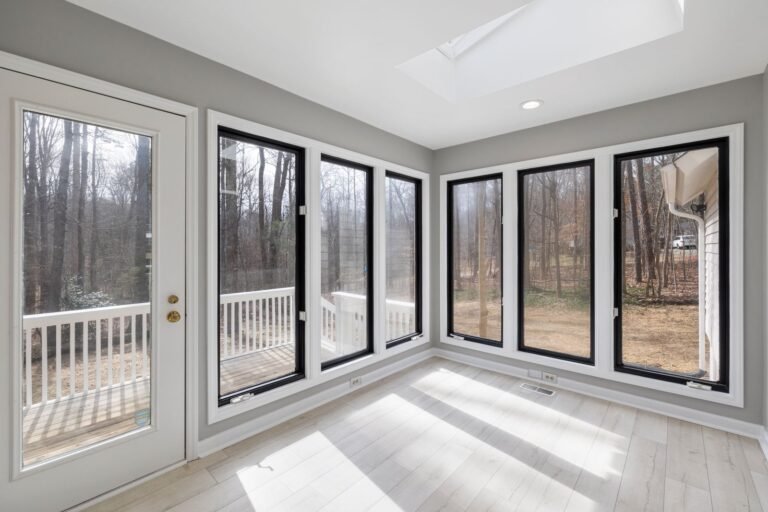
These are licensed stock photos (Pexels) chosen to show the kind of space or place described. They are not photographs of our contractor's completed projects.
Point Loma addition questions
Is all of Point Loma in the Coastal Zone?
No. About 60% of the community is in the Coastal Zone. The 30 ft Prop D height limit, though, applies to the whole peninsula because it all lies west of I-5. Check your parcel for the Coastal Overlay before you assume a permit is or isn't needed.
Can I add a second story on Sunset Cliffs?
Sometimes, but lots near the bluff are the hardest case. Work within 50 ft of a coastal bluff edge loses the exemption from a Coastal Development Permit, and the house still has to stay under 30 ft. A survey that locates the bluff edge comes first.
What is an avigation easement?
A recorded easement that acknowledges aircraft overflight. Under SDMC §132.1530, owners in the San Diego International Airport influence area must grant one as part of certain development, so expect it as a permit condition in Loma Portal and nearby areas.
Sources
- SDMC §132.0505, Coastal Height Limit
- SDMC §126.0704, Exemptions from a Coastal Development Permit
- Hearing Officer report HO-25-008, 741 Sunset Cliffs Blvd (2025)
- City of San Diego, Peninsula Community Plan
- Point Loma, San Diego
- La Playa, San Diego
- San Diego Reader, Coastal height limit in Point Loma (2016)
- 10News, Bird Rock addition and the CDP exemption (2018)
- SDMC Division 15, Airport Land Use Compatibility Overlay
- CEQAnet, SDIA Airport Land Use Compatibility Plan update (2025)
- San Diego International Airport, Quieter Home Program (2026)
Last checked November 7, 2026. Coastal permit requirements depend on the parcel; confirm with Development Services.
Next step
Get your free Build-Up-or-Out Plan
Three short steps, about a minute. A licensed San Diego general contractor reviews what you send, checks your lot against the zoning, height and coastal rules that apply to it, and replies with a realistic range and the questions that would change it.
- How much your lot allows: floor area, setbacks and height
- Whether building up or out fits your house and budget
- A line-by-line range before any drawings are paid for
- No obligation and no pressure follow-up